Preparing for January commissioning
Late November is the right time to get your January commissioning day in order. The machine may only arrive after the festive break, but the work that makes commissioning smooth starts now, with the right files, the right plate and the right people planned in advance.
Get your cut files ready
Before we arrive on site, we need your first jobs in a clear, organised format. Keep the drawings, part names and material thicknesses together, and make sure the files you send match the work you want to cut first. If there are multiple parts in one nest, label them clearly so the operator can find the right job quickly.
If you are still using old files from a manual process, sort them out now. January is not the time to discover that a drawing has the wrong scale, the wrong kerf allowance or an outdated hole size.
Stock the first plates
Have a sensible amount of plate on hand for the first week of cutting. We do not need a warehouse full, but we do need enough material in the common thicknesses you plan to run first, so the machine can be tested on real work and not just trial cuts.
- Keep the most used thicknesses closest to the machine
- Store plate flat and dry
- Separate offcuts from new stock
- Check for heavy rust, scale and warping
Plan your extraction
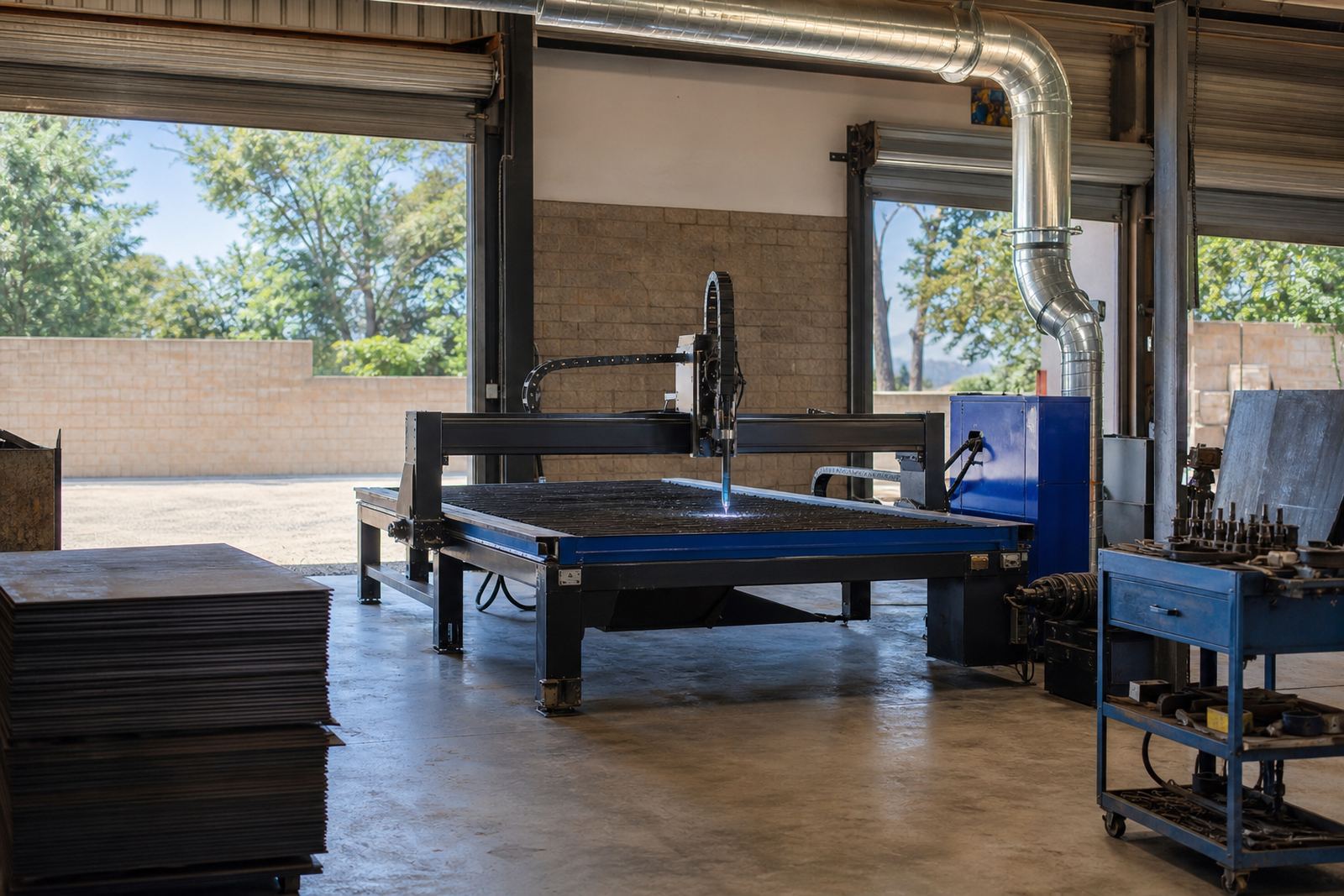
Plasma cutting creates fumes, dust and heat, so extraction must be ready before the first production cut. Whether you use a downdraft table, extraction fan or another system, make sure it is installed, connected and switched on from the start of commissioning.
Good extraction does more than keep the workshop cleaner. It helps protect the machine, improves visibility at the table and makes training easier because the operator can focus on the cut, not the smoke.
Choose who attends training
Commissioning day works best when the right people are in the room. We recommend having the person who will run the machine every day, plus one supervisor or owner who can make decisions on layout, workflow and basic operating rules.
If the machine will be shared between shifts, include the main operators from each shift. That way, everyone hears the same setup, safety and operating guidance before production starts.
Use the day to test the workflow
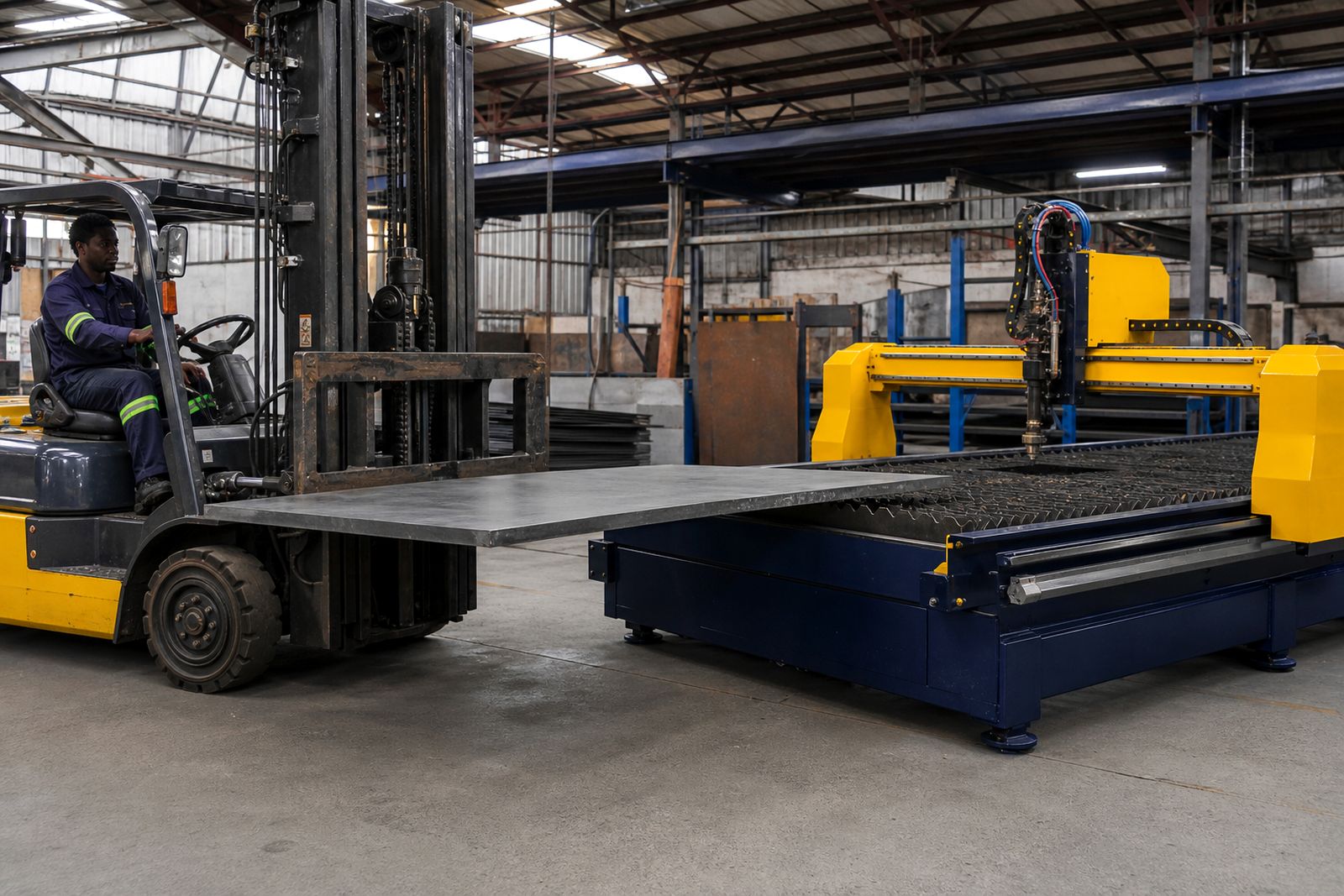
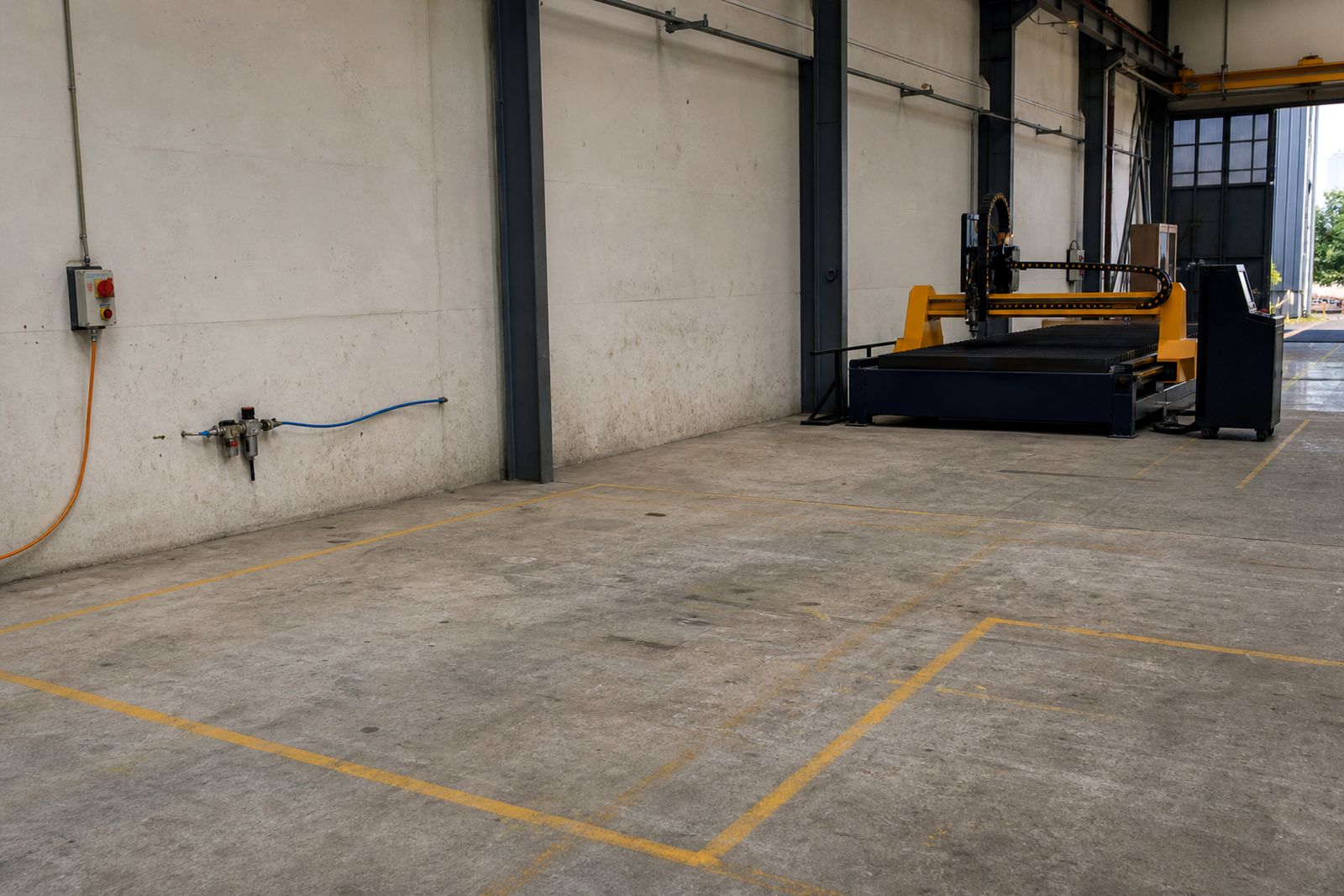
January commissioning is not only about switching the machine on. It is also the best time to test where plate will be loaded, where finished parts will be stacked, how scrap will be removed and how the machine fits into the rest of the workshop flow. Small changes made on the day can save a lot of walking and handling later.
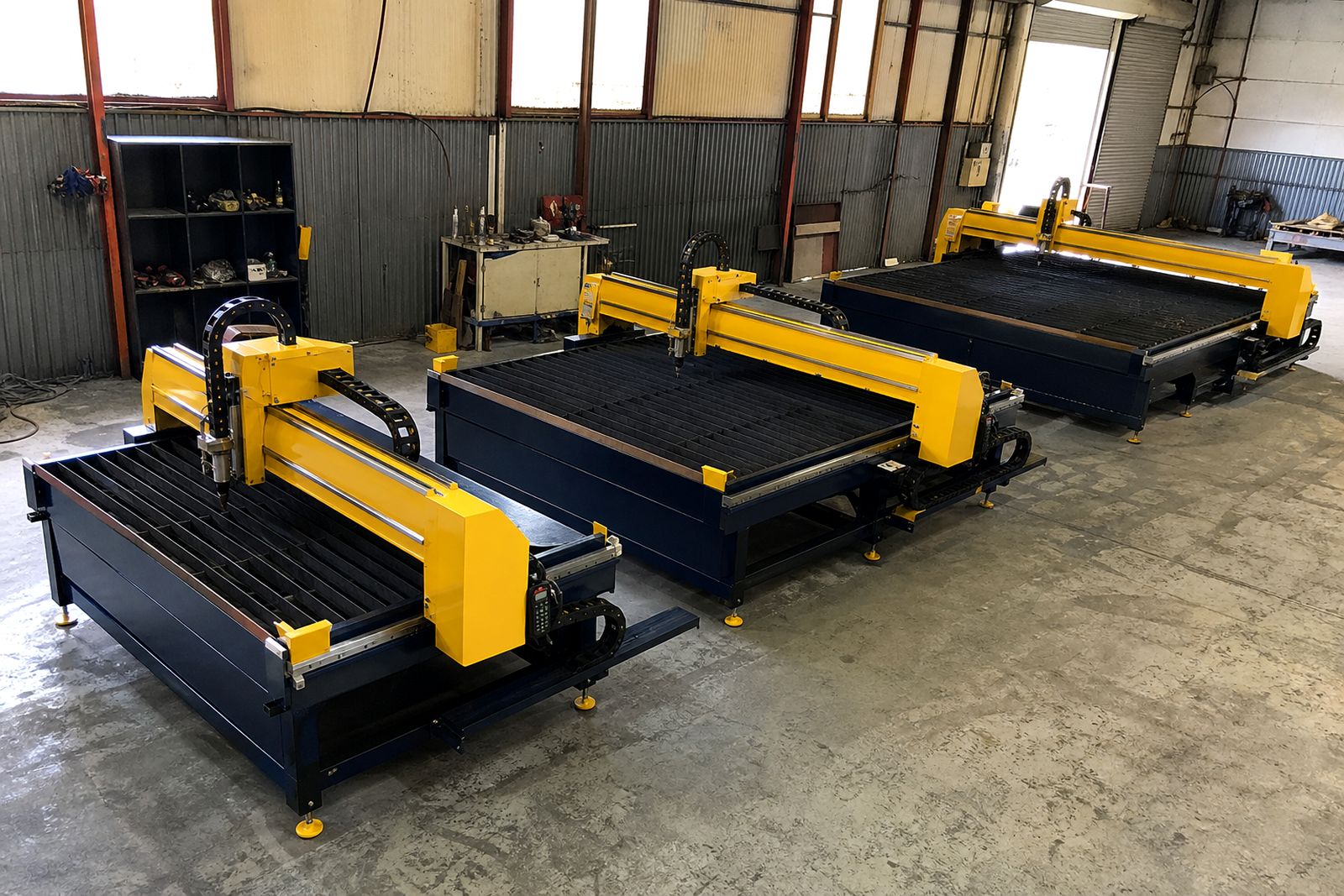
We commission built-to-order machines on site, so the goal is to leave you with a working setup that suits your space, your material and your team. The more prepared you are before we arrive, the faster you get to cutting properly.
Questions we get asked
When should we send our cut files?
Send them before the festive break if possible, so we can check the format and make sure the first jobs are ready for commissioning. Early files also help you spot missing details before January.
Do we need all our material on site before commissioning?
You need enough plate for setup, test cuts and the first real jobs. That gives us a practical way to verify settings and train the operator on the material you actually use.
Who should be present on commissioning day?
The main operator should be there, along with someone who can make decisions on workflow and workshop layout. If more than one person will run the machine, bring them too so everyone starts with the same process.
Also worth a look
Tell us about the job
Send sizes, materials and where you are through our contact form, and we will come back with the practical options.
Open the contact form