Three bed sizes from 1.3 x 2.5 m to 2 x 3 m
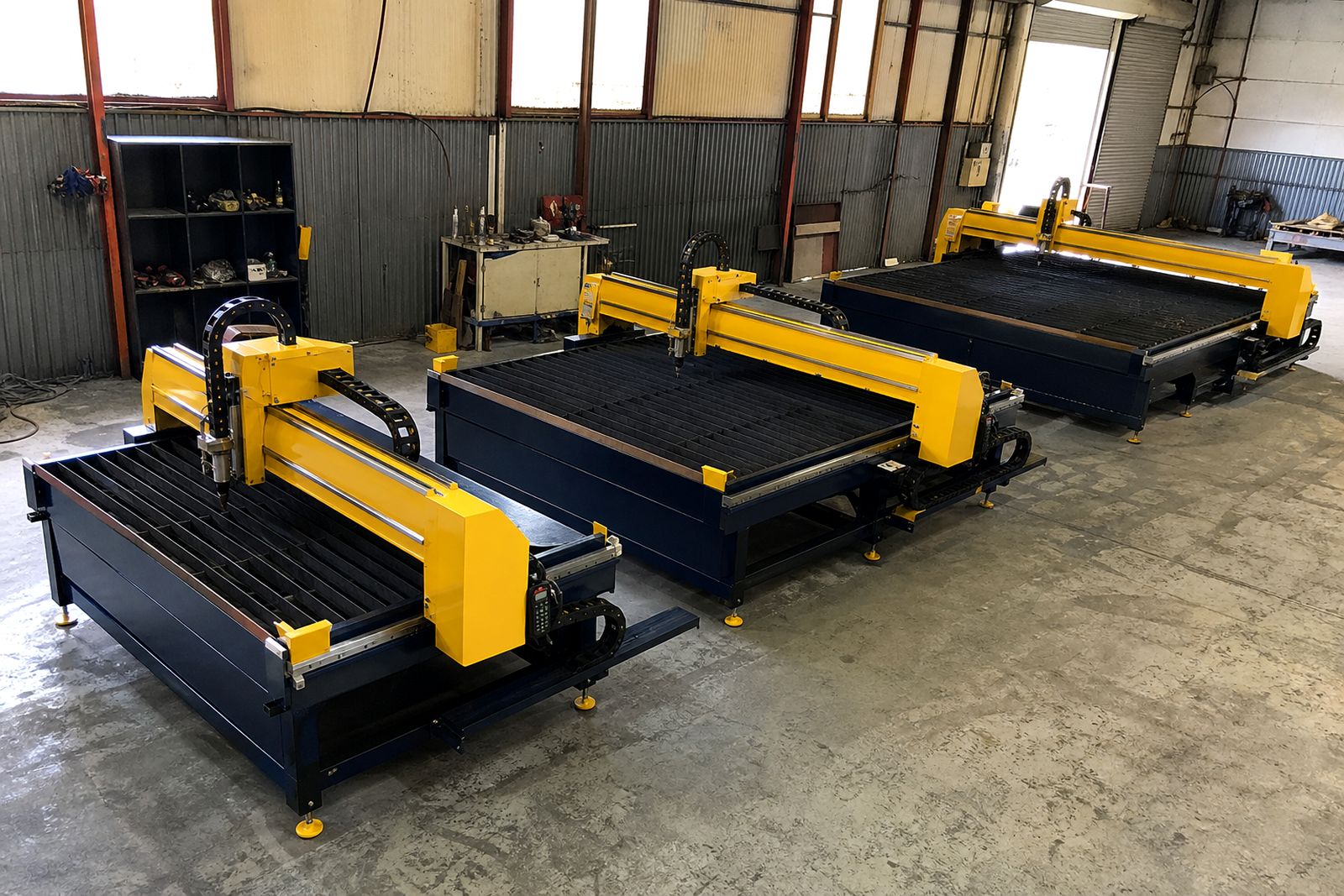
Our standard-bed CNC plasma machines are built in three working sizes: 1.3 x 2.5 m, 1.5 x 3.0 m and 2.0 x 3.0 m. The right pick usually starts with the sheet you buy most often, then the room you have to load, cut and clean the machine properly.
Choose the bed around the sheet format you buy most often
Look at the plate sizes already moving through your workshop. If most of your work is cut from smaller sheets and offcuts, a 1.3 x 2.5 m bed often keeps the footprint sensible while still giving proper CNC capacity. If your work is centred on full 1 500 x 3 000 mm sheets, the 1.5 x 3.0 m bed usually lands in the right place. Where wider plate handling matters, or you want more room across the bed for nested parts, the 2.0 x 3.0 m bed steps in.
Trying to force the wrong sheet onto the wrong bed causes trouble long before cutting starts. Loading becomes awkward, support points end up wrong and operators spend time shifting material instead of cutting it. That lost time adds up.
- 1.3 x 2.5 m suits work planned around 1 300 x 2 500 mm capacity.
- 1.5 x 3.0 m suits shops cutting around the common 1 500 x 3 000 mm format.
- 2.0 x 3.0 m suits 2 000 x 3 000 mm work and layouts needing extra width.
What changes between 1.3 x 2.5 m, 1.5 x 3.0 m and 2.0 x 3.0 m
All three are standard-bed CNC plasma machines built to order in Germiston, and each machine is configured by option code. Bed size changes more than cutting area. It changes loading method, aisle space, scrap handling and how many parts you can nest from one plate.
Bed size also affects how well the machine matches the work coming through the shop. If your jobs are mostly brackets, gussets, base plates and smaller repeat components, a bed that matches the real work can be easier to keep busy. A wider machine that stands half-used most weeks takes floor space you may need for stock, welding, bending or dispatch.
- Smaller beds are easier to place into tighter workshops.
- Mid-size beds fit many fabrication shops cutting standard full sheets.
- Larger beds give more width for plate handling and part nesting.
Plan around floor space and loading access
Bed dimensions matter alongside the rest of the layout. You still need room to approach the machine with a sheet, move around the operator side, remove cut parts, clear slag and service the table. In many Gauteng workshops the machine footprint fits on paper but the real pinch point is the path from the roller door to the cutting area.
Think about forklift approach, overhead lifting if you use it, and whether stock is carried in by hand. Leave enough side clearance for routine cleaning and for the operator to work without squeezing between the frame and stored steel. A machine that just fits can become irritating, and on busy floors it gets untidy.
Before delivery and commissioning we also look at floor and power conditions so the machine can be set up properly on site.
Day-to-day bed size comparison
If you are deciding between two sizes, compare them against the jobs that pay the bills and the unusual one-off sheet. This short list is usually more useful than abstract capacity figures.
- Pick the 1.3 x 2.5 m bed if your regular work is smaller part batches and floor area is tight.
- Pick the 1.5 x 3.0 m bed if full 1 500 x 3 000 mm sheets are normal in your workshop.
- Pick the 2.0 x 3.0 m bed if wider plate handling or broader nesting space will be used often.
- Stay with the smaller option if loading access is limited and wide sheets are rare.
- Move up a size if operators are constantly trimming material first just to make it fit.
That last point catches many shops. Pre-cutting sheets down to suit the machine can look manageable at first, but it puts extra handling into every job and introduces avoidable measuring mistakes.
Options stay consistent across the range
Whichever bed size you choose, the machine is configured by option code to suit the way you cut. Common choices include torch-height control, a flame-cutting torch, a remote pendant, bed dividers and control boards. The operator stand can also be specified as part of the machine setup.
The size decision can stay focused on material handling and usable cutting area, while the cutting method and operating layout are handled through the options. If your work includes thinner sheet one week and heavier plate the next, that conversation usually sits with option selection rather than bed size alone.
You can read each option in more detail from the section pages, then send the final mix through our contact form.
Matching the machine to your workshop in South Africa
Workshops around the East Rand often have different constraints from coastal factories or inland steel service floors. In some places the challenge is simply available space; in others it is truck access, damp coastal air on stored plate, or the way material is moved between cutting and fabrication bays. Those local details matter when choosing between 1.3 x 2.5 m, 1.5 x 3.0 m and 2.0 x 3.0 m beds.
We build in Germiston and deliver and commission across Gauteng, KwaZulu-Natal, the Western Cape and the rest of South Africa. If you already know your sheet format, available floor area and preferred loading direction, you are most of the way there. If not, start with those three points and the bed size choice gets much easier.
Explore the range
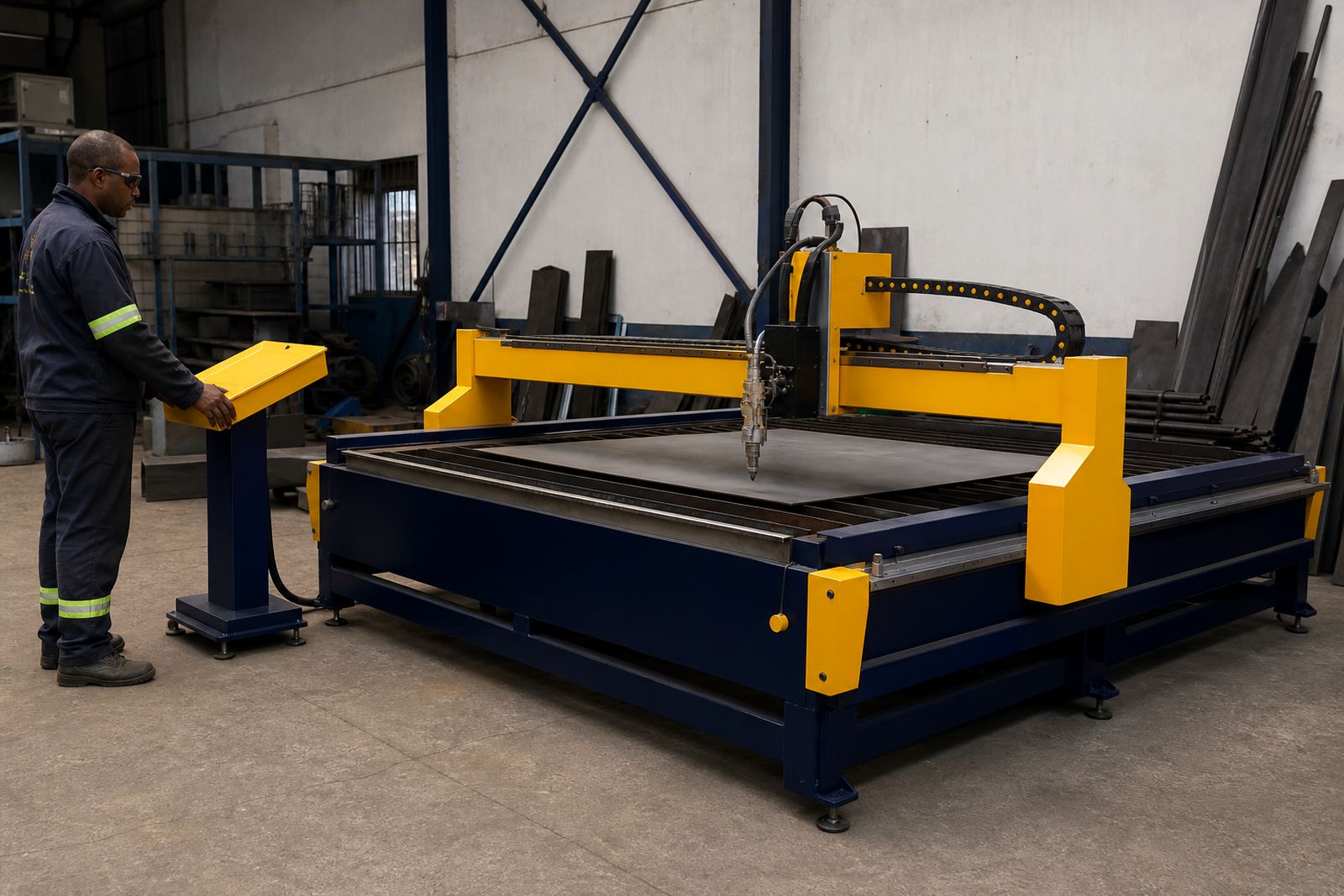
P-1325T: 1.3 x 2.5 m bed machine
A compact standard-bed CNC plasma machine for half-sheet plate, sign components and everyday fabrication parts.
Read more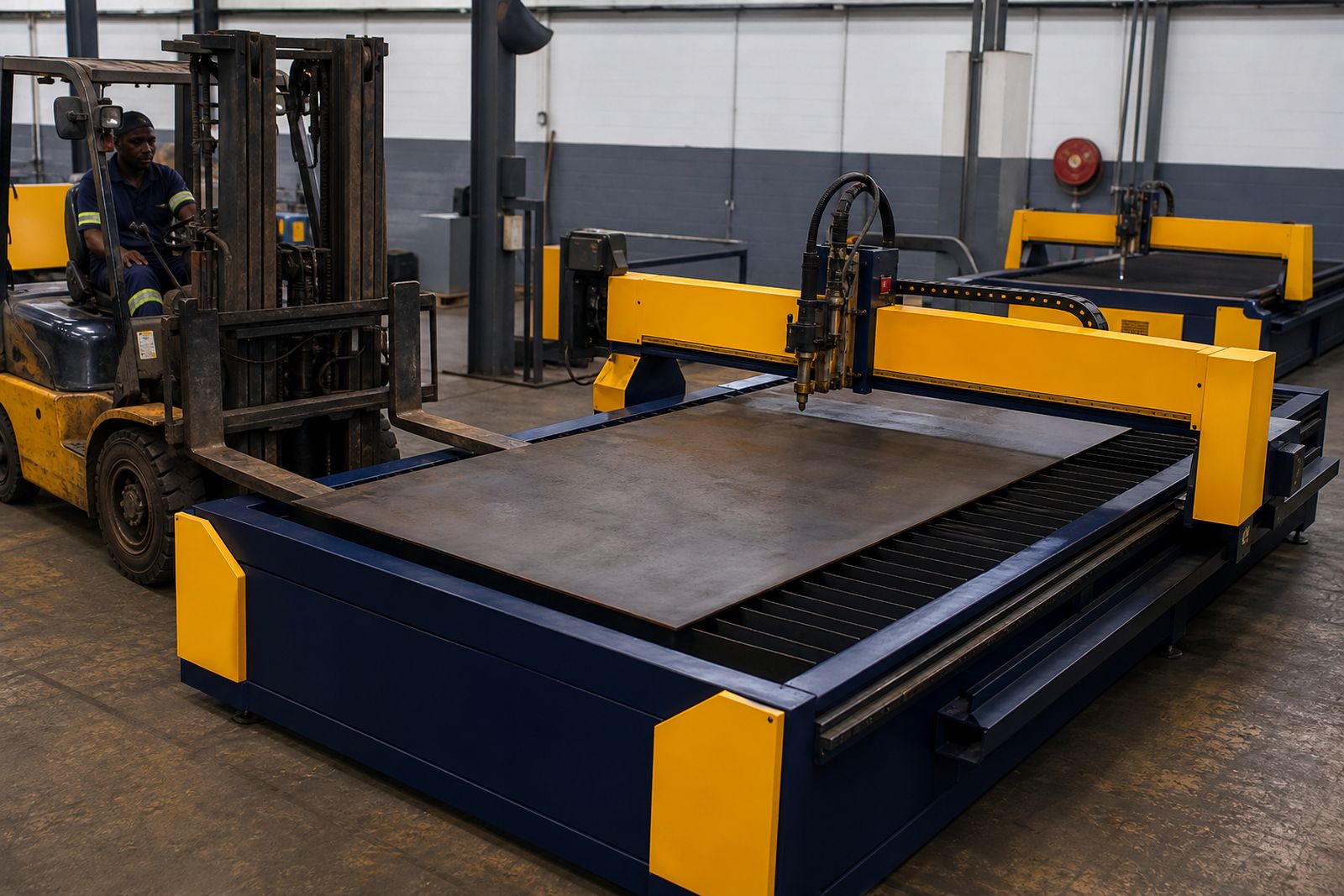
P-1530T: 1.5 x 3 m bed machine
A 1 500 x 3 000 mm standard-bed plasma machine for day-to-day plate work in busy fabrication shops.
Read more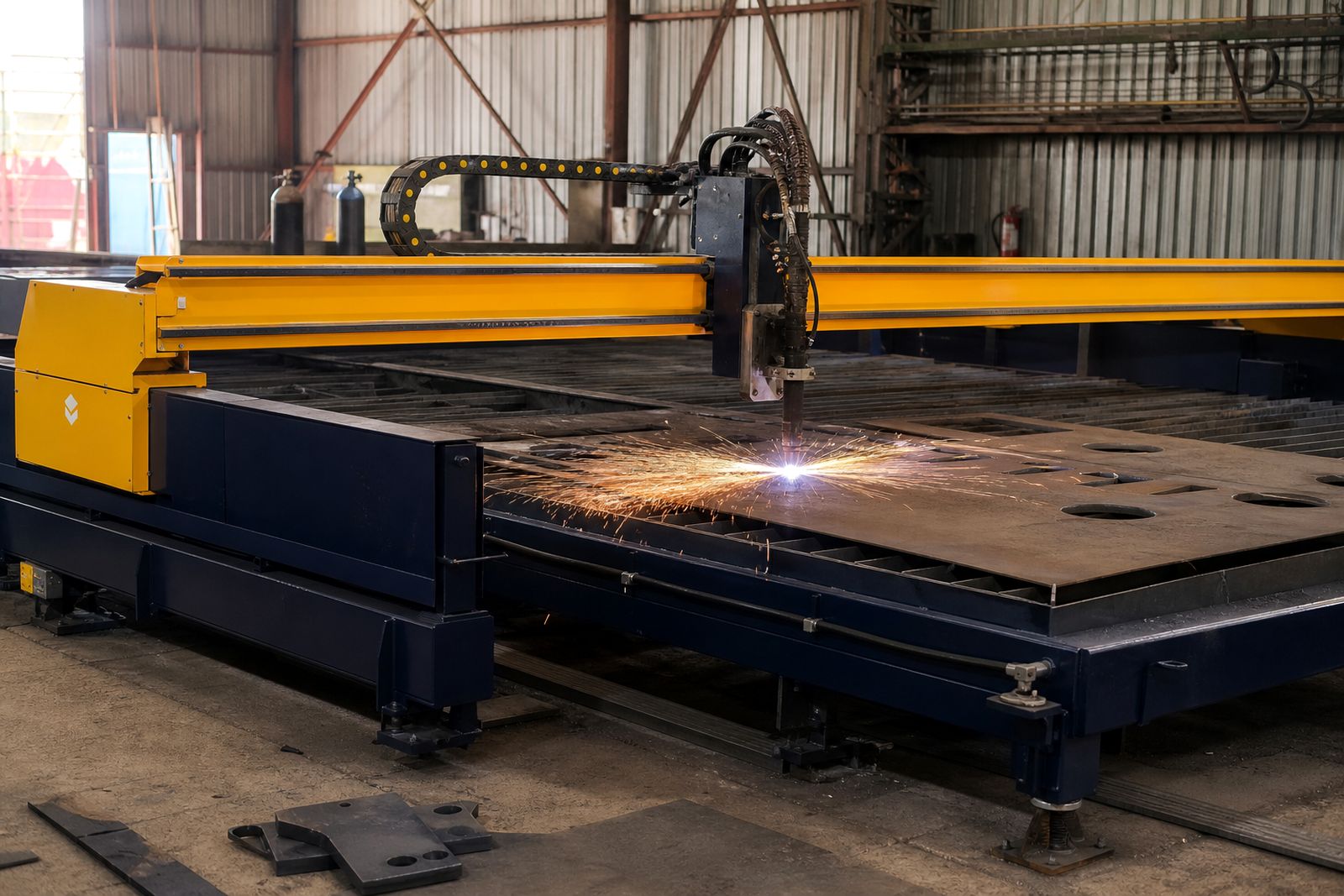
P-2030T: 2 x 3 m bed machine
A 2 000 x 3 000 mm standard-bed plasma machine for wider plate, practical nesting and shop-floor production.
Read moreQuestions we get asked
Is the 1530 the default choice for most workshops?
The 1.5 x 3.0 m bed is a common fit where full 1 500 x 3 000 mm sheets are part of normal production, but the best match depends on the work and the space available. If your work is mostly smaller components and space is limited, the 1.3 x 2.5 m bed can be the better match. If wider plate handling is part of the job, the 2.0 x 3.0 m bed may make more sense.
Can I buy a larger bed now just for occasional future work?
You can, but it is worth checking how often that extra size will really be used. A larger machine changes loading space, operator movement and cleaning access. If the wider capacity is only needed rarely, the extra floor area may not pay for itself in daily use.
Do all three bed sizes take the same options?
The machines are configured by option code across the range, including torch-height control, flame-cutting torch, remote pendant, bed dividers and control boards. The best combination depends on your material mix, cutting method and the way the operator will run the machine on your floor.
Tell us about the job
Send sizes, materials and where you are through our contact form, and we will come back with the practical options.
Open the contact form