

Choosing between the three bed sizes
Bed size usually follows the steel you buy and the way it moves through your shop. If sheet layout, offcuts and forklift turning room are handled properly at the start, the machine tends to fit the work far better.
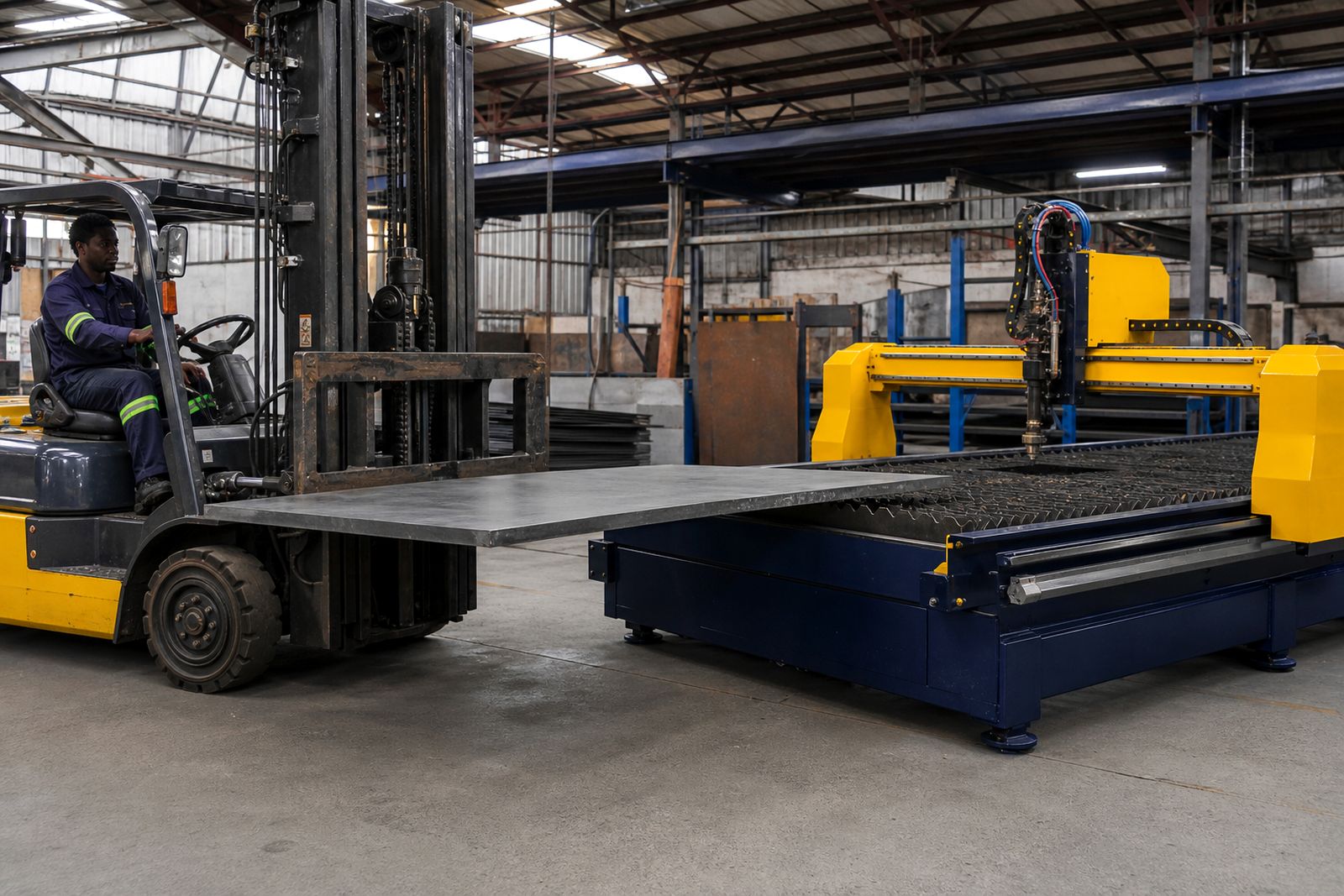
Start with the plate you actually buy
A reliable way to settle bed size is to look at the sheet sizes already landing at your workshop. The machine should suit normal buying patterns and regular production work. If most of your mild steel arrives in 2 500 mm lengths, a 1.3 x 2.5 m bed often suits that flow. When 3 000 mm sheets are common, the 1.5 x 3.0 m and 2.0 x 3.0 m sizes usually make more sense.
Many shops first compare the machine price and only later notice they are trimming sheets before they even reach the bed. That wastes handling time, ties up labour and leaves offcuts in awkward sizes. On plasma work, offcuts also affect rack space, labelling and how often the forklift is pulling half-used plate around the floor.
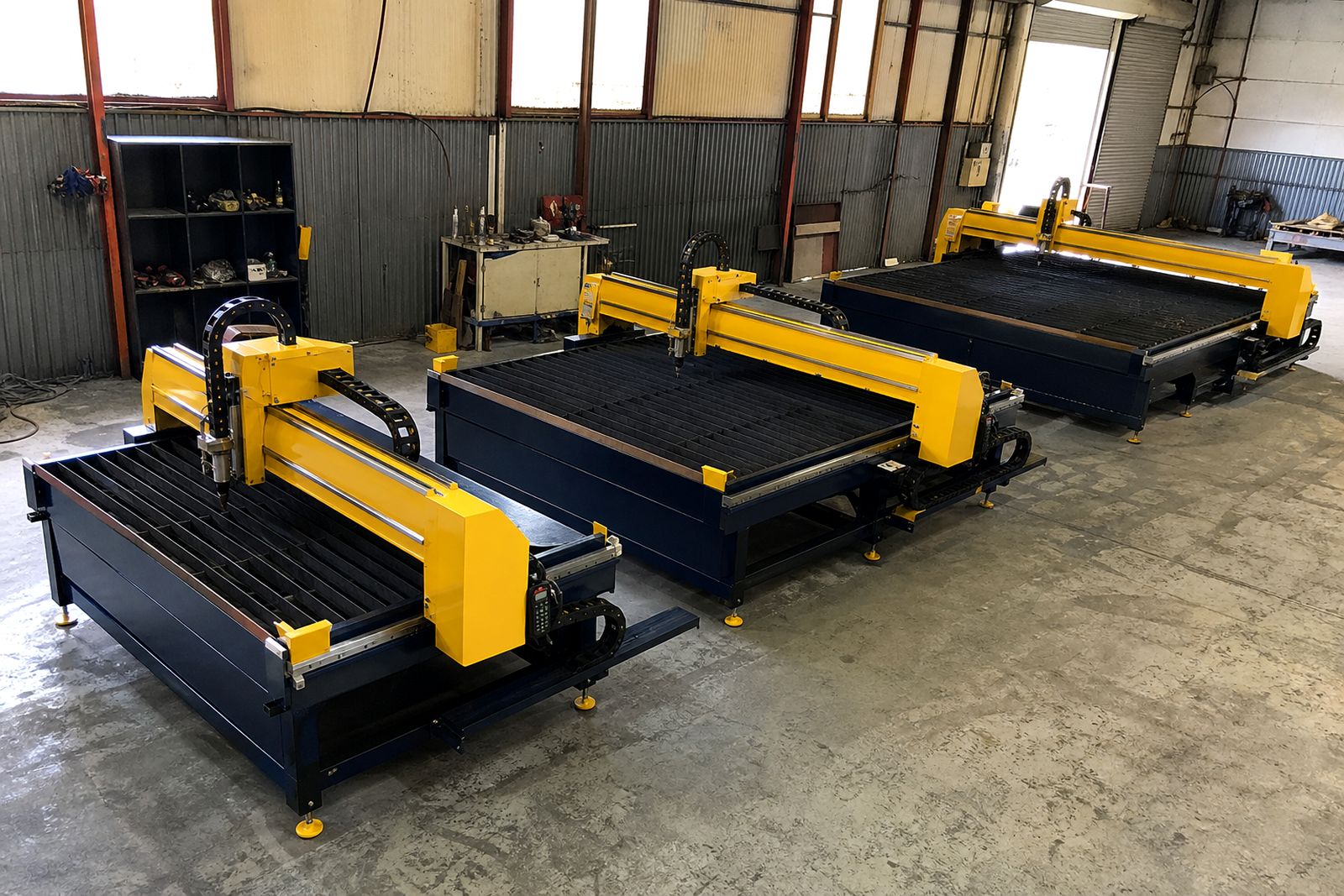
- 1.3 x 2.5 m suits work planned around 1 300 x 2 500 mm cutting area and shorter sheet handling.
- 1.5 x 3.0 m gives room for 1 500 x 3 000 mm nesting, a common format in local fabrication.
- 2.0 x 3.0 m takes 2 000 x 3 000 mm layouts where part width or job batching needs the extra span.
If your purchasing already favours 3 000 mm stock, forcing that material onto a shorter bed can create a problem before the torch even starts moving.
Offcuts cost more than most shops expect
Bed size affects how much usable plate remains after a job, and whether that remainder is worth keeping. A narrow strip that cannot be nested properly becomes clutter. A larger, square offcut with a known grade and thickness can still earn its place on the rack. This is one of the main reasons some workshops move from 1325 to 1530, even when their part count has not changed much.
Look at your regular parts and the stacks you cut every week. If you cut handrail brackets, base plates, gussets and channel caps every week, nesting density matters more than the occasional oversized panel. The wrong bed size can leave dead zones around the sheet where no practical part will fit, and then the operator is forever trying to rescue value from odd corners.
- Small repeated parts usually favour efficient nesting over sheer table width.
- Wide parts or paired nests may justify the 2.0 x 3.0 m footprint.
- Mixed production runs often land naturally on 1530 because it balances stock cost and usable area.
When offcuts are easy to stack, mark and reuse, the whole cutting line gets tidier. It sounds minor, but it changes the week quite a lot.
Plan forklift turning space
On many South African factory floors, sheet entry, turning space past columns and safe loading onto the machine set the practical limit. A 2.0 x 3.0 m bed may fit on the floor drawing, but if the forklift needs a three-point shuffle between stored sections and a roller door track, loading becomes slow and rough.
Measure the full path from truck offload point to machine position. Include the loading side and the machine footprint. Also check whether long sheets need to pass a welding area, press brake lane or stores cage before they reach the bed. In older East Rand premises this routing can be very tight, especially where added partition walls have narrowed the shop.
We have seen workshops choose a mid-size bed because it kept a clean material route and left room for finished parts to exit the cutting area. That often beats squeezing in the biggest machine and living with awkward traffic every day.
A workshop example from a local production floor
One fabrication shop was cutting mounting plates, cleats and folded component blanks from mostly 6 mm and 10 mm mild steel, with some stainless work in smaller quantities. The team first leaned toward the 2.0 x 3.0 m bed because the floor area looked available. After checking the actual jobs, the picture changed.
Their bought-in sheets were mostly 1 500 x 3 000 mm. A 1530 bed matched that stock neatly, reduced pre-cut handling and kept the forklift clear of a column near the loading side. The larger 2.0 x 3.0 m bed would have meant a wider travel lane and a new storage arrangement for offcuts and finished nests. On paper the bigger bed looked flexible. On the floor it would have made the bay harder to run day to day.
They also noticed that the few wide jobs which pointed toward a 2.0 x 3.0 m bed were infrequent and could be redrawn as split assemblies without much trouble. The regular work, which paid the bills every month, sat naturally on 1530. The answer often sits in the stack of parts you cut all the time.
Where each size tends to fit best
Each bed size suits a different workshop setup. The 1325 is often chosen where floor space is tight, sheet lengths are shorter and parts are modest in width. It can be a sensible machine for brackets, flanges, repair work and lighter batch production.
The 1530 is commonly the middle ground for general fabrication. It lines up with 3 000 mm sheet buying, gives decent nesting room and uses less floor width than a 2.0 x 3.0 m bed. For many workshops this size settles the most arguments at once.
The 2.0 x 3.0 m bed earns its space when parts are genuinely wider, when production benefits from larger nests, or when material handling is already set up for broader plate. It should be chosen because the work needs it and the floor can support it.
- Choose 1325 when shop space is limited and the work set stays compact.
- Choose 1530 when 1 500 x 3 000 mm stock is normal and production is varied.
- Choose a 2.0 x 3.0 m bed when part width, nest area and loading access all support the larger bed.
Check the floor layout before you settle the order
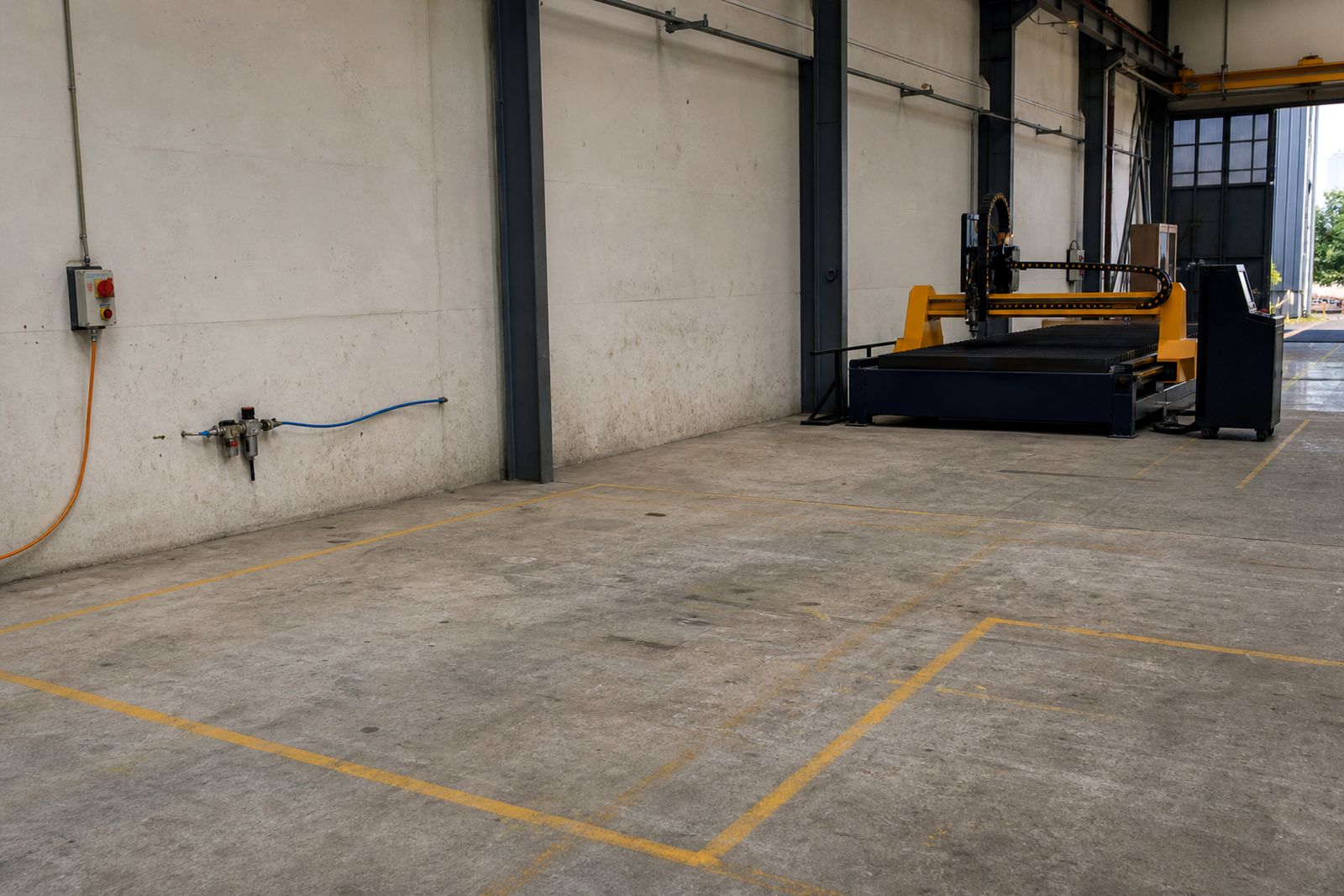
Before settling on a bed size, mark out the footprint on the workshop floor with tape. Then add the loading side, operator standing area and the path for removing cut parts. This ordinary exercise saves a lot of guessing. It also shows whether nearby racks, welding benches or raw stock stacks are stealing the room you thought you had.
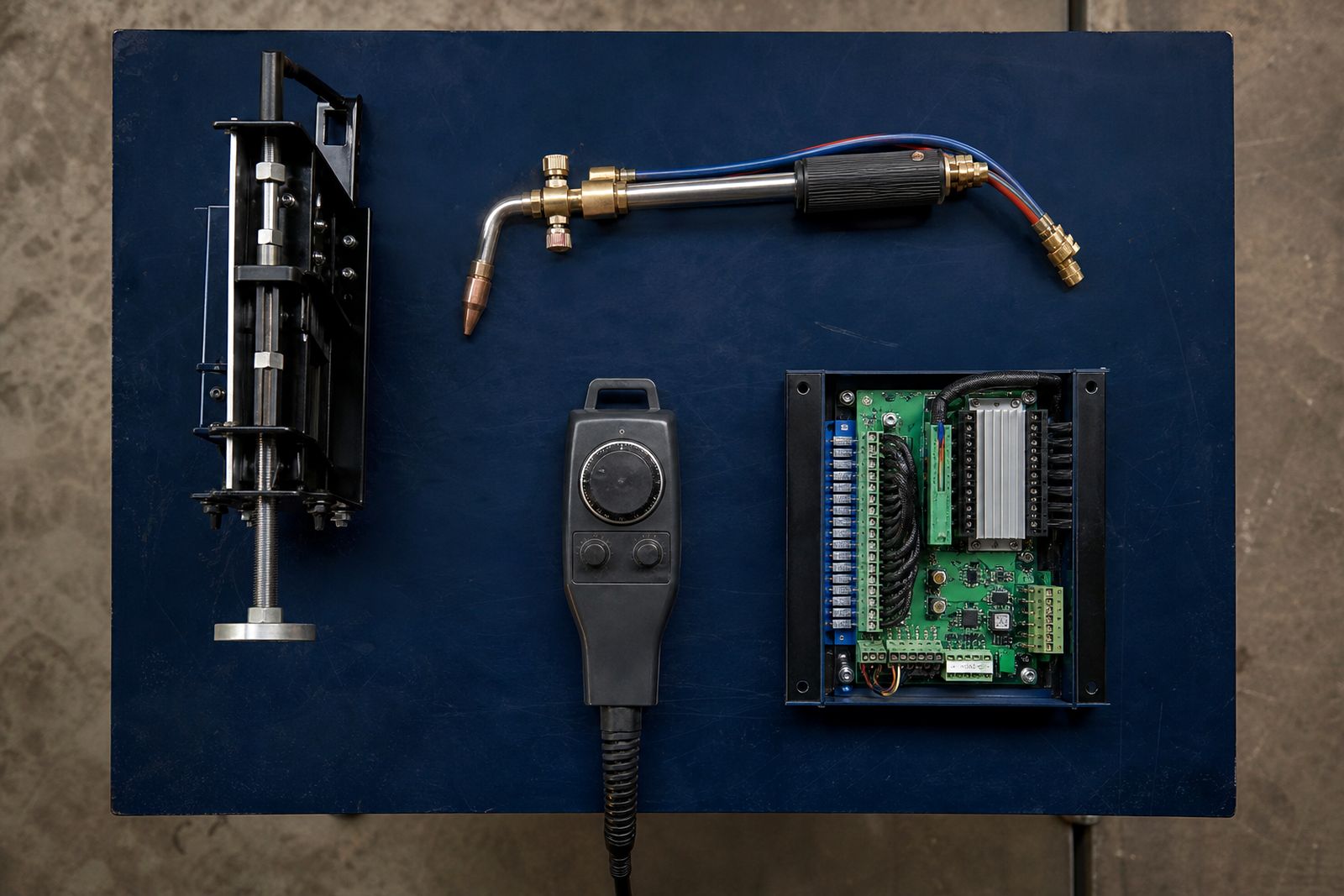
Bed size should work with the rest of the machine configuration as well. If the build includes torch-height control, a flame-cutting torch, a remote pendant, bed dividers or a particular control arrangement, leave enough room around the machine for safe use and routine cleaning. The machine also needs space beyond the cutting bed.
If you are weighing up 1325, 1530 and a 2.0 x 3.0 m bed for your own floor, collect three things first: the sheet sizes you buy most often, a sample of your regular nested parts and the real loading route into the bay. With that in hand the right bed size is normally easier to see, even before the finer options are discussed.
Questions we get asked
Is the 1530 the safest default if we are unsure?
It is often the most practical middle size for workshops buying 1 500 x 3 000 mm plate. Your usual sheet format, part width and loading space should settle the choice.
Can we choose a larger bed now for future work?
That can make sense if the shop already has the floor space, loading route and material flow for it. When those basics are in place, a larger bed can support future work without creating daily handling problems first.
Does bed size matter more than options such as torch-height control or a flame torch?
Both matter, but bed size sets the physical fit with your stock and workshop layout. Options then shape how the machine handles different cutting tasks on that chosen platform.
Also worth a look
Tell us about the job
Send sizes, materials and where you are through our contact form, and we will come back with the practical options.
Open the contact form